VICTOR ANDREWS
Sports Recruiting
SEARCH2,149
@victorandrews2k19
COMPLETE GUIDE TO U.S. COLLEGE SPORTS RECRUITING

How studying and playing in the U.S. actually works

It is not about having money or connections abroad. It is about understanding the process and being ready for your enrollment window. Learn from someone who had to figure it out independently and now helps athletes from around the world make the move.

800+ ATHLETES SUPPORTED
60+ COUNTRIES SERVED
7+ YEARS BUILDING DREAMS

From the field to campus. From ambition to opportunity.

SCROLL FOR THE GUIDE
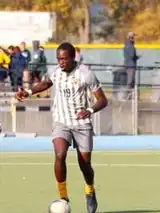
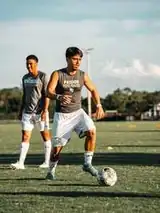
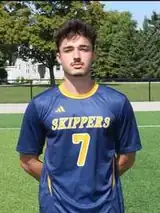
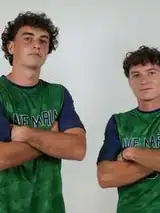
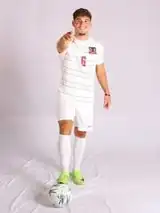
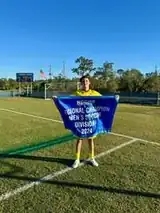
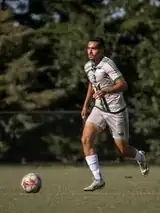
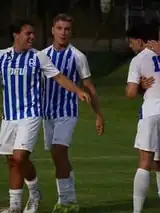
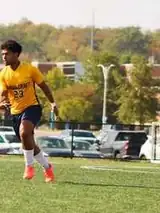
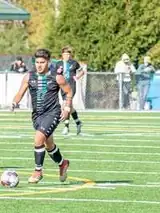
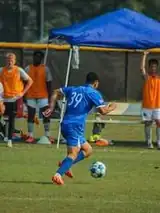
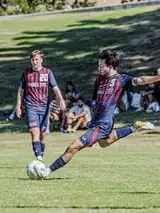
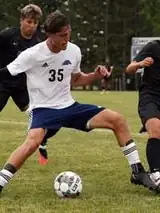
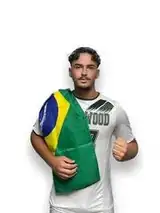
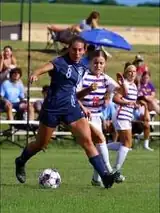
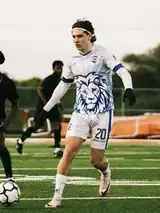
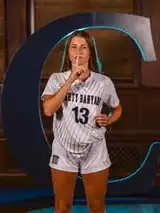
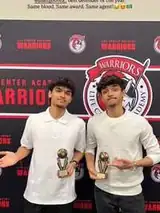
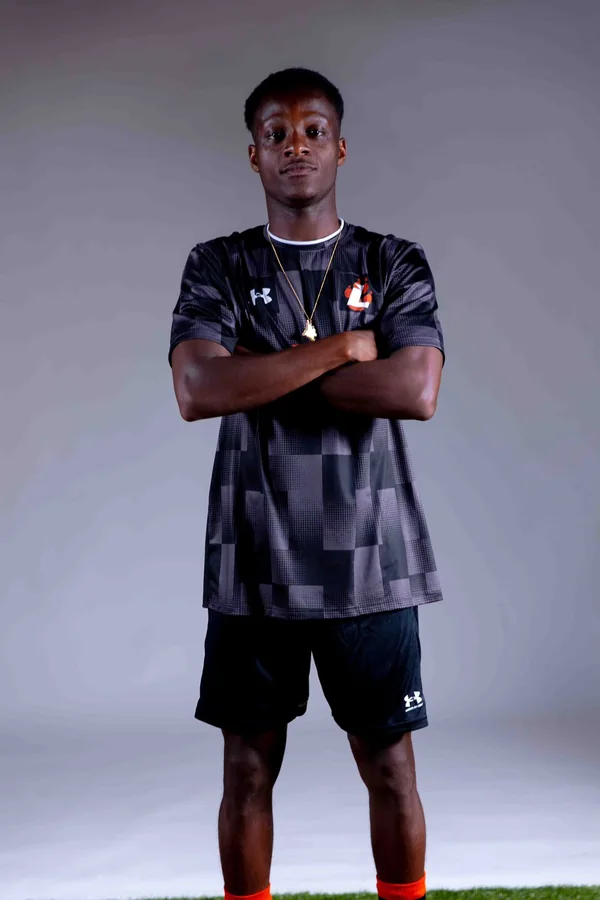
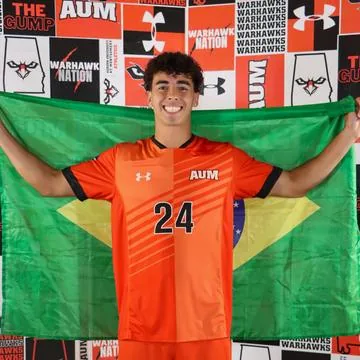
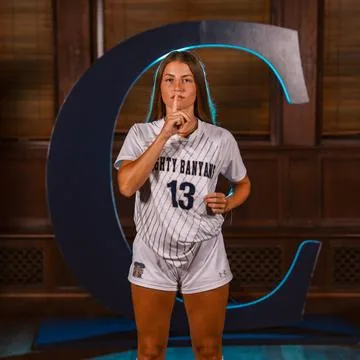
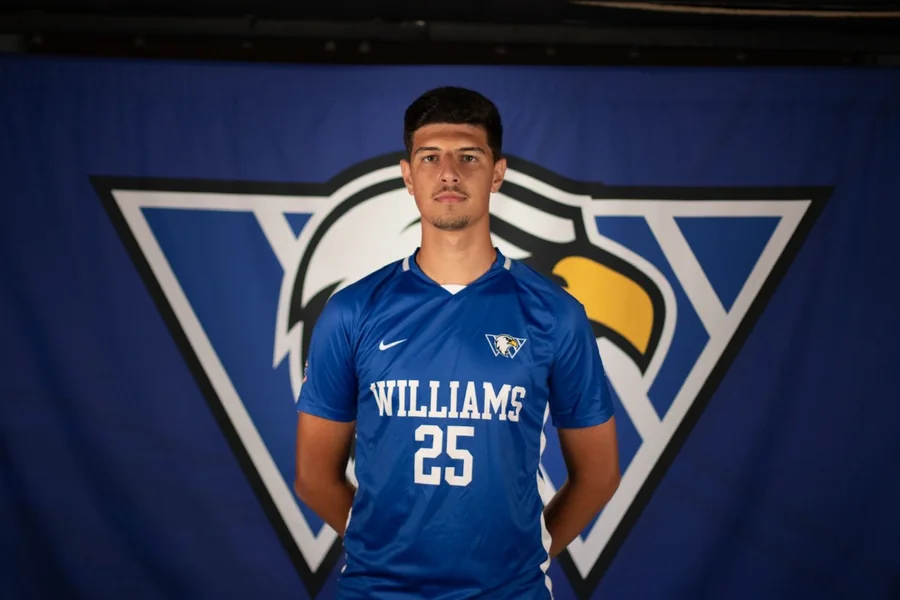
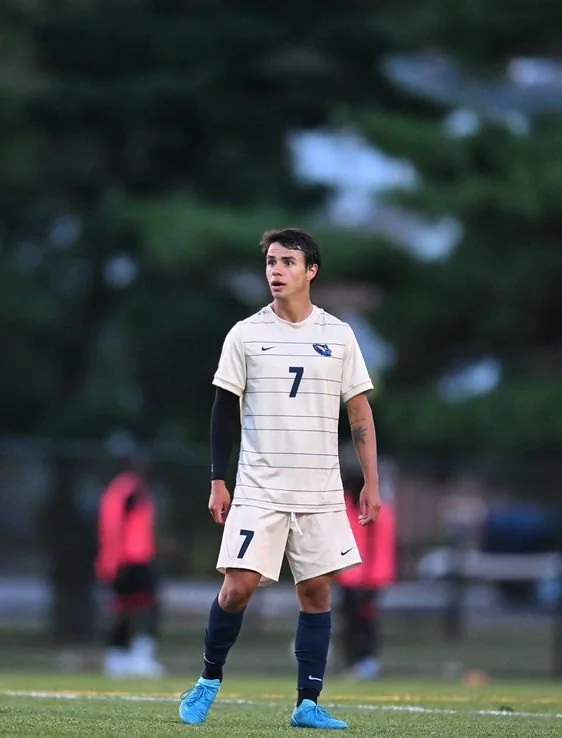
ATHLETES WHO HAVE STARTED THEIR U.S. COLLEGE JOURNEY WITH VICTOR ANDREWS
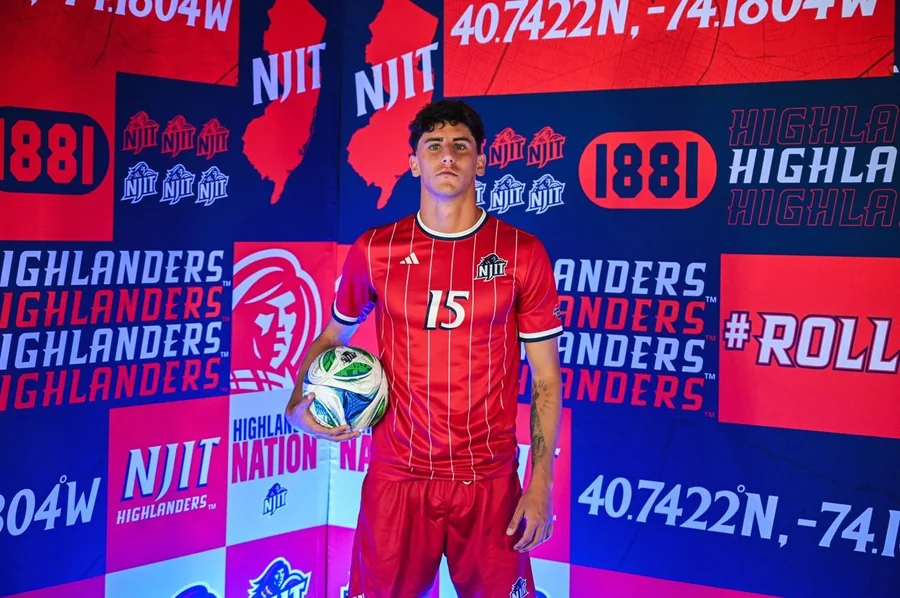
Caio Carrara–New Jersey Institute of TechnologyNCAA D1
Santiago Gonzales–Shorter UniversityNCAA D2
Hayate Furumoto–Presbyterian CollegeNCAA D1
Lucas Beja–Southern Nazarene UniversityNCAA D2
Eric Calderon–Mercyhurst UniversityNCAA D1
Alexander Stevens-lee–University of the District of ColumbiaNCAA D2
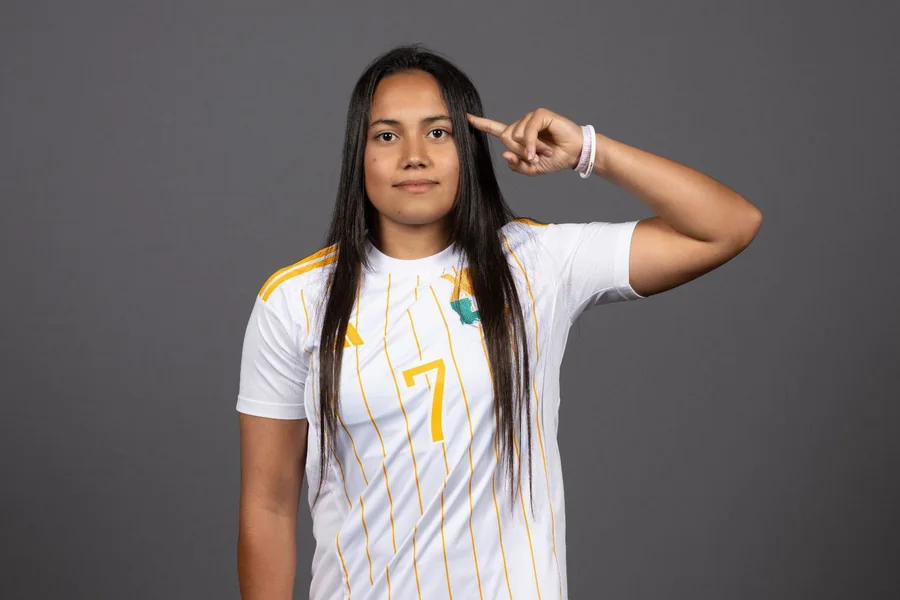
Eduarda Queiroz–Xavier University of LouisianaNAIA
Rodrigo Silva–North Greenville UniversityNCAA D2
Takuto Nishide–Fairleigh Dickinson UniversityNCAA D1
Ramone Trentin–Daemen UniversityNCAA D2
Ryuta Morioka–University of North FloridaNCAA D1
Natalia Mora–Oakland City UniversityNCAA D2
Bakir Omercevic–University of New HavenNCAA D1
Mohamed Abrahim–Shaw UniversityNCAA D2
Aiden Williams–Mercyhurst UniversityNCAA D1
Deion Miller–Francis Marion UniversityNCAA D2
Maria Campos–University of UtahNCAA D1
Adechina Karabo–Davis & Elkins CollegeNCAA D2
Gonzalo Delgado–Mercyhurst UniversityNCAA D1
Caio Oliveira–Shaw UniversityNCAA D2
Kevaughn Harris–Southern Illinois University EdwardsvilleNCAA D1
Jorge vandervelde–Lourdes UniversityNAIA
Jevaughn Harris–University of Texas Rio Grande ValleyNCAA D1
Eduardo Morschel–Doane UniversityNAIA
Andres Martinez–SUNY FredoniaNCAA D3
Jama Ahmed–Dalton State CollegeNAIA
Gabriela Darrieux–Louisiana Christian UniversityNAIA
Dylan Conell–University of Science and Arts of OklahomaNAIA
Isabella Cetra–Louisiana Christian UniversityNAIA
Riley Green–Ave Maria UniversityNAIA
Matheus Nascimento–Louisiana Christian UniversityNAIA
Danilo Jokovic–Central Methodist UniversityNAIA
Emiliano Sosa–Louisiana Christian UniversityNAIA
Gabriel Lima–Marian UniversityNAIA
Nicole Calderón–Louisiana Christian UniversityNAIA
Gabriela Medeiros–Northwestern CollegeNAIA
Antonio Bilancieri–Ranger CollegeNJCAA D1
Cristina Altez–Northwestern CollegeNAIA
Victor Tavares–Hawkeye Community CollegeNJCAA D1
Andreas Socratous–Mount Mercy UniversityNAIA
Gabriel Bonini–Northern Oklahoma CollegeNJCAA D1
Pelayo Cachero–Harry S. Truman CollegeNJCAA D2
Laissa Brito–Neosho County Community CollegeNJCAA D1
Taylor Marange–Harry S. Truman CollegeNJCAA D2
Jose David–John Wood Community CollegeNJCAA D1
William Calafiori–Morton CollegeNJCAA D2
Abraham Agbezo–Western Nebraska Community CollegeNJCAA D1
Samuel Cury–Morton CollegeNJCAA D2
Daniel Candeias–Monroe UniversityNJCAA D3
Matheus Okuma–Morton CollegeNJCAA D2
Pierre Jean–Monroe UniversityNJCAA D3
Lucas Oliveira–Jamestown Community CollegeNJCAA D3
Gabriel Mamede–Lake Superior CollegeNJCAA D3
Guilherme Castro–Minnesota West Community and Technical CollegeNJCAA D3
Caio Carrara–New Jersey Institute of TechnologyNCAA D1
Santiago Gonzales–Shorter UniversityNCAA D2
Hayate Furumoto–Presbyterian CollegeNCAA D1
Lucas Beja–Southern Nazarene UniversityNCAA D2
Eric Calderon–Mercyhurst UniversityNCAA D1
Alexander Stevens-lee–University of the District of ColumbiaNCAA D2
Eduarda Queiroz–Xavier University of LouisianaNAIA
Rodrigo Silva–North Greenville UniversityNCAA D2
Takuto Nishide–Fairleigh Dickinson UniversityNCAA D1
Ramone Trentin–Daemen UniversityNCAA D2
Ryuta Morioka–University of North FloridaNCAA D1
Natalia Mora–Oakland City UniversityNCAA D2
Bakir Omercevic–University of New HavenNCAA D1
Mohamed Abrahim–Shaw UniversityNCAA D2
Aiden Williams–Mercyhurst UniversityNCAA D1
Deion Miller–Francis Marion UniversityNCAA D2
Maria Campos–University of UtahNCAA D1
Adechina Karabo–Davis & Elkins CollegeNCAA D2
Gonzalo Delgado–Mercyhurst UniversityNCAA D1
Caio Oliveira–Shaw UniversityNCAA D2
Kevaughn Harris–Southern Illinois University EdwardsvilleNCAA D1
Jorge vandervelde–Lourdes UniversityNAIA
Jevaughn Harris–University of Texas Rio Grande ValleyNCAA D1
Eduardo Morschel–Doane UniversityNAIA
Andres Martinez–SUNY FredoniaNCAA D3
Jama Ahmed–Dalton State CollegeNAIA
Gabriela Darrieux–Louisiana Christian UniversityNAIA
Dylan Conell–University of Science and Arts of OklahomaNAIA
Isabella Cetra–Louisiana Christian UniversityNAIA
Riley Green–Ave Maria UniversityNAIA
Matheus Nascimento–Louisiana Christian UniversityNAIA
Danilo Jokovic–Central Methodist UniversityNAIA
Emiliano Sosa–Louisiana Christian UniversityNAIA
Gabriel Lima–Marian UniversityNAIA
Nicole Calderón–Louisiana Christian UniversityNAIA
Gabriela Medeiros–Northwestern CollegeNAIA
Antonio Bilancieri–Ranger CollegeNJCAA D1
Cristina Altez–Northwestern CollegeNAIA
Victor Tavares–Hawkeye Community CollegeNJCAA D1
Andreas Socratous–Mount Mercy UniversityNAIA
Gabriel Bonini–Northern Oklahoma CollegeNJCAA D1
Pelayo Cachero–Harry S. Truman CollegeNJCAA D2
Laissa Brito–Neosho County Community CollegeNJCAA D1
Taylor Marange–Harry S. Truman CollegeNJCAA D2
Jose David–John Wood Community CollegeNJCAA D1
William Calafiori–Morton CollegeNJCAA D2
Abraham Agbezo–Western Nebraska Community CollegeNJCAA D1
Samuel Cury–Morton CollegeNJCAA D2
Daniel Candeias–Monroe UniversityNJCAA D3
Matheus Okuma–Morton CollegeNJCAA D2
Pierre Jean–Monroe UniversityNJCAA D3
Lucas Oliveira–Jamestown Community CollegeNJCAA D3
Gabriel Mamede–Lake Superior CollegeNJCAA D3
Guilherme Castro–Minnesota West Community and Technical CollegeNJCAA D3

What does studying and playing in the U.S. actually mean?

In the U.S. college system, you can pursue a degree and compete for your school at a high level, with the possibility of reducing your total cost through athletic, academic and other forms of aid. You do not have to choose between education and sport, you can pursue both.

  • Internationally recognized degree from one of the best university networks in the world.
  • High-level athletics with pro structure: daily training, travel, sports science, video, scouting.
  • Aid packages can cover a significant share, and, in some cases, all, of the final cost. The mix varies by institution, division and profile and may combine athletic, academic, merit and need-based aid. NCAA Division III, for example, does not offer athletic scholarships.
  • F-1 student visa, with authorized on-campus employment and, when eligible, course-related practical training such as OPT.
Victor Andrews

Victor Andrews. Brazilian. Former student-athlete. Entrepreneur.

I'm Victor Andrews Batista Machado, from Rio de Janeiro, and I live in the United States today. I came here in 2019 on an athletic scholarship to play and study at Siena Heights University, and I saw first-hand the gaps in the support most athletes were getting.

At college I watched talented athletes fall through the cracks, some with more money than I had. They did not know how to build a highlight video, talk to a coach, negotiate or present themselves properly. They believed playing well was enough to get noticed. That is when I started helping Brazilian athletes get into U.S. college sports.

The work started small and now covers more than 800 athletes from more than 60 countries. I have worked with athletes from low-income neighborhoods and with families of substantial means, and that taught me that very different profiles find a path when the opportunity is built with strategy.

My job is to open doors many athletes do not know exist. Every athlete who makes the move carries my name with them, and I treat every case with that responsibility.

I'm a graduate of New College of Florida and currently pursuing a Master of Business Administration at the University of the Cumberlands. I wrote this guide to gather what I have learned over these years, so you understand the process before you take the first step.

Find out whether you are a realistic scholarship candidate

Before choosing a school, thinking about a visa or focusing on an offer, you need a clear picture of your athletic level, academics, budget and best path through the U.S. college system.
1. Athletic profile

Position, video, competitive level, age, club history, stats and potential for NCAA, NAIA or NJCAA.

2. Academic profile

GPA, transcripts, English proficiency, TOEFL/Duolingo, intended major and the possibility of combining academic and athletic aid.

3. Financial profile

Family budget, expected net cost, realistic scholarship range and schools that make financial sense for your family.

COLLEGE ATHLETIC SYSTEMS

3 of the main systems. 1 destination: campus.

NCAA, NAIA and NJCAA are three of the main systems in U.S. college sports, each with different rules and structures. Understanding those differences is the first step toward choosing the path that best fits your profile.

National CollegiateAthletic Association(NCAA)

The largest college sports association in the United States, divided into Divisions I, II and III. Competitive level, athletic aid and requirements vary by division and institution.

Member institutions1,082
National Association ofIntercollegiate Athletics(NAIA)

A college athletics association with its own eligibility rules and a strong international student-athlete presence. Athletic scholarships are available in many programs, with requirements varying by institution.

Member institutions250
National Junior CollegeAthletic Association(NJCAA)

A system of mostly two-year junior colleges, widely used as an entry point into college sports and as a pathway to later transfer to NCAA or NAIA programs.

Member institutions525

Now that you know the leagues, find the right schools

Explore 2,149 selected institutions across the United States and Canada in one place, plus a separate summer-club directory. It is the same database I use to build client shortlists, with the information that actually matters: English requirements, SAT policies, tuition, athletic association, majors and location.

  • Filter by major, sport, athletic association, English requirement, cost and state.
  • Open each school profile to review academic, athletic, financial and admissions information.
  • Build a shortlist and send it to me. I’ll review how well the schools fit your profile.

Registration required. To access the tool, complete the quick registration. Once the submission is confirmed, Search is unlocked in your browser.

6 stages. One clear path to campus.

It is not about having money or connections abroad. It is about understanding the process and being ready when your departure window opens. Learn from someone who navigated this path independently and now helps athletes from around the world reach campus.

01

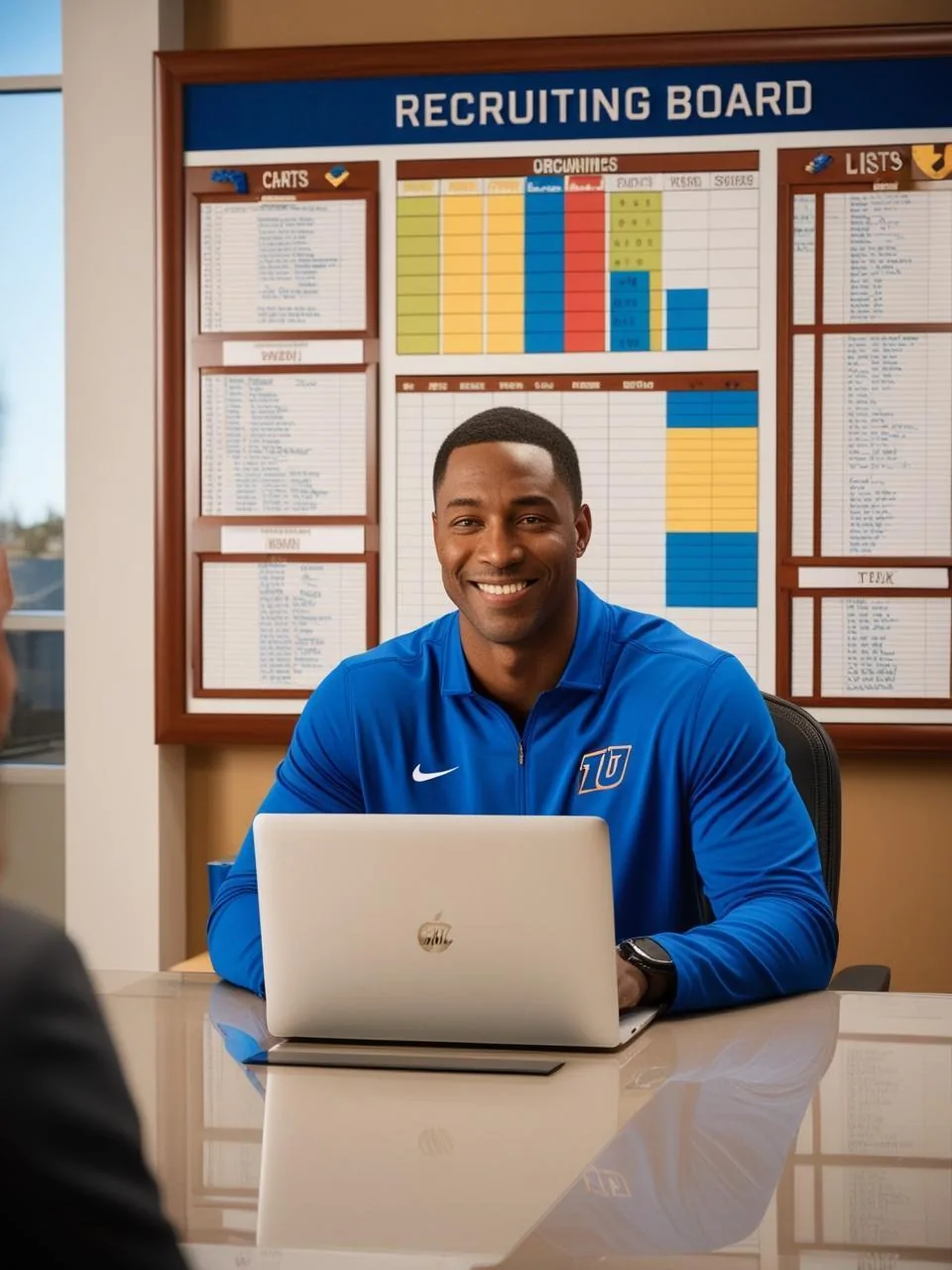
Your highlight video: the first evaluation

Your highlight video is often a coach’s first look at your game. Lead with your best clips and identify yourself clearly. Film quality and organization matter, but recruiting decisions also depend on your athletic level, academics, roster needs, budget and recruiting timeline.

  • My recommendation: about 4 to 6 minutes. Lead with your strongest clips and make it easy for a coach to evaluate you within the first few seconds.
  • Use at least HD quality (720p). Shaky footage, heavy glare or clips where the player cannot be identified make evaluation harder.
  • Identify yourself clearly. Use a circle, arrow or another subtle marker so the coach can find you immediately.
  • Show range, not just highlights on the stat sheet. Include moments that show your technical, tactical, physical, offensive and defensive qualities.
  • Use the right platform: unlisted YouTube or Hudl. Google Drive and WeTransfer can create access issues. Do not use TikTok or Shorts as your primary recruiting link.
  • Add a simple profile card. Include your height, weight, position, current/previous clubs and relevant athletic achievements.

Long, unedited game segments or isolated training clips are usually less effective as a first introduction. Your highlight video should make evaluation easy and show your strongest qualities quickly.

Highlight video
HIGHLIGHT VIDEO
English proficiency tests
TOEFL · DUOLINGO · SAT

English proficiency and admissions testing

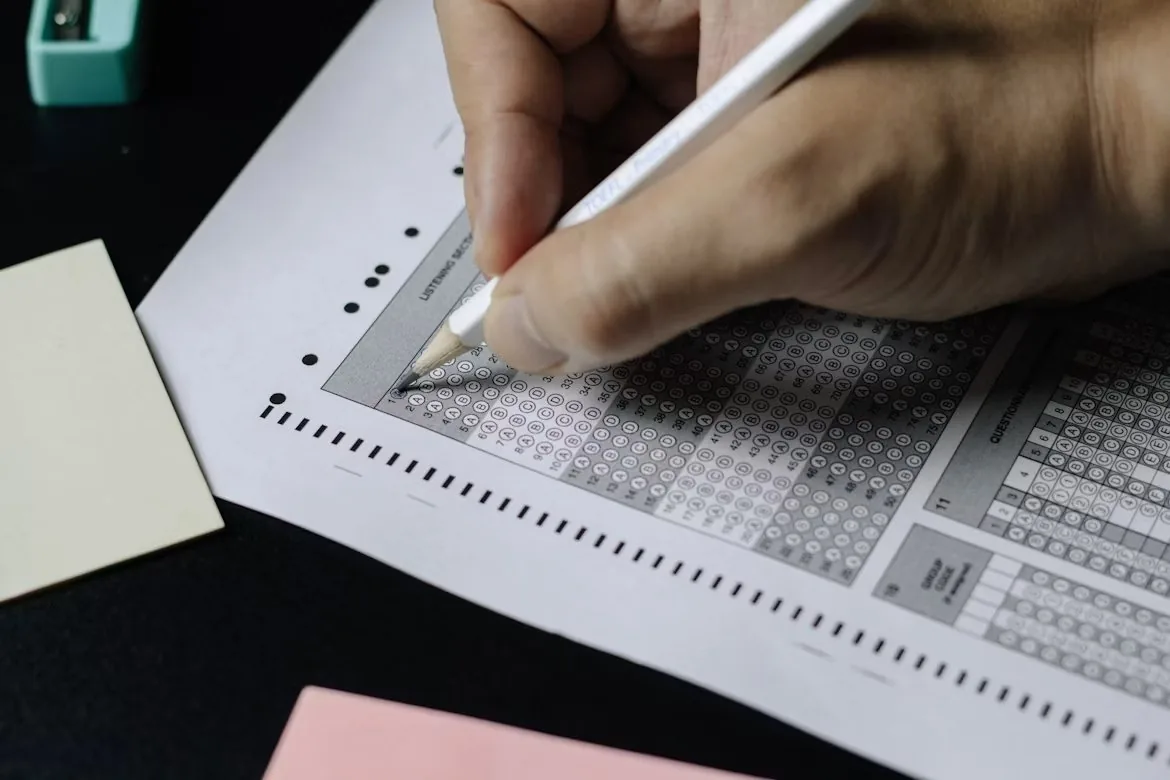
A coach may want you on the roster, but the admissions office still determines whether you meet the school’s academic requirements. English-proficiency tests and, when applicable, standardized tests help the institution evaluate your readiness for college-level coursework.

  • TOEFL iBT, widely accepted. As a general reference, many institutions use a minimum around 61 on the comparable 0–120 scale. The exact requirement varies by institution and program.
  • Duolingo English Test, practical alternative. It is fully online and usually returns results quickly. As a general reference, many institutions use a minimum around 95. The exact requirement varies by institution and program.
  • SAT or ACT, depends on the institution. Many universities are test-optional, but some programs still consider these exams during admission.

You do not need to have the tests done to start. The process begins with what you have today, and the strategy includes the test schedule.

02
03

Academic profile and eligibility

U.S. colleges evaluate your secondary-school record, or your college record if you are transferring. Your GPA, transcripts, completed coursework and, when required, test scores help determine where you can be admitted and compete.

  • There is no single GPA requirement for every association. For NCAA initial eligibility, the reference is a 2.3 core-course GPA for Division I and 2.2 for Division II; Division III academic standards are set by each institution. In the NAIA, a freshman can qualify immediately with a final high-school GPA of 2.30, or use the traditional eligibility-criteria route. NJCAA academic eligibility depends on the applicable requirements and the institution.
  • Transcripts and proof of graduation. Schools or credential evaluators may require official records and certified English translations showing your courses and grades.
Academic profile
GPA · TRANSCRIPTS · MAJOR
Scholarship negotiation
OUTREACH · NEGOTIATION

Recruiting outreach and offer strategy

This is where many athletes get stuck when they try to manage recruiting on their own. A strong video and solid academics are not enough. Effective recruiting requires the right school list, well-timed outreach, personalized communication, consistent follow-up and a clear understanding of each program’s roster needs.

  • Targeted school list. Identify programs that need your position, are recruiting in your entry year and match your athletic and academic profile.
  • Professional outreach to coaches. Personalized communication, a structured player profile, video, stats and a clear recruiting pitch, supported by relationships I have built across NCAA, NAIA and NJCAA programs.
  • Create multiple options. Comparing interest from several programs gives you a stronger basis to evaluate fit, cost and the overall offer.
  • Compare the full offer. Athletic aid, academic aid, need-based aid and remaining out-of-pocket cost. The number that matters is the final net cost, not just a “scholarship percentage.”
  • Make the right final decision. Scholarship matters, but so do competitive level, location, major, academic quality, coaching staff and overall fit.

The goal is not simply to get one offer. The goal is to build credible options and understand what each one is actually worth. That requires recruiting experience, relationships and a clear view of the market.

04
05

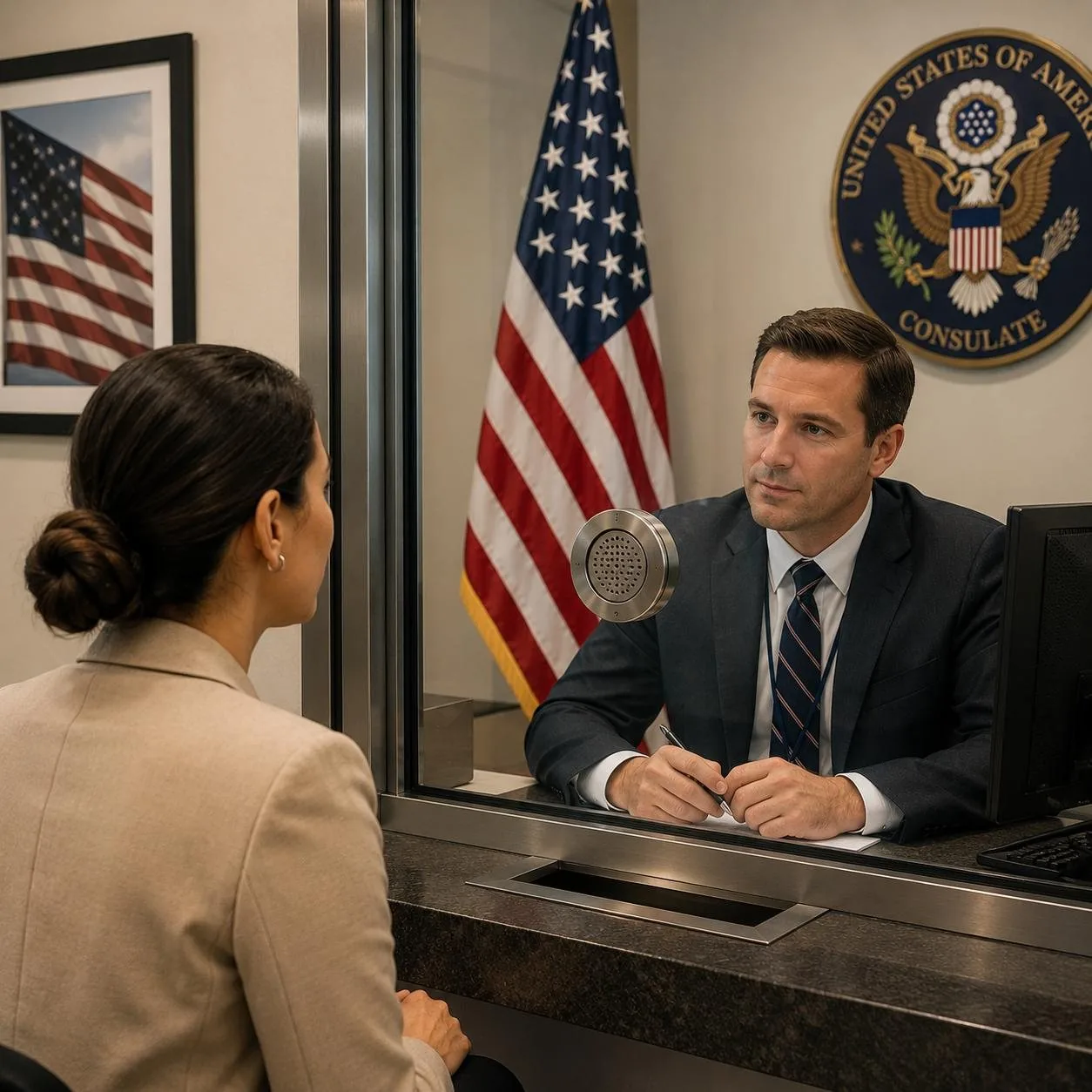
F-1 student visa

Once you have been admitted and your school has issued the required documents, the next step is the F-1 student visa. Accuracy matters: complete the DS-160 carefully, organize your supporting documents and prepare for the consular interview.

  • Form I-20 from your school. The institution issues the I-20 after admission and completion of its required financial and administrative steps. You need it to begin the F-1 visa process.
  • DS-160 visa application. The online form asks for personal, travel and background information. Complete it carefully and make sure your answers are accurate and consistent with your supporting documents.
  • Consular interview. The consular officer evaluates your application individually, including your study plans, documentation and financial resources. Be prepared to explain your plans clearly and truthfully.

An F-1 visa can be refused for different legal reasons. Each application is evaluated individually. Complete documentation and consistent, truthful answers are important, but no recruiter, school or advisor can guarantee visa approval.

F-1 visa
F-1 VISA · EMBASSY
Travel and adjustment
ARRIVAL · CAMPUS · TEAM

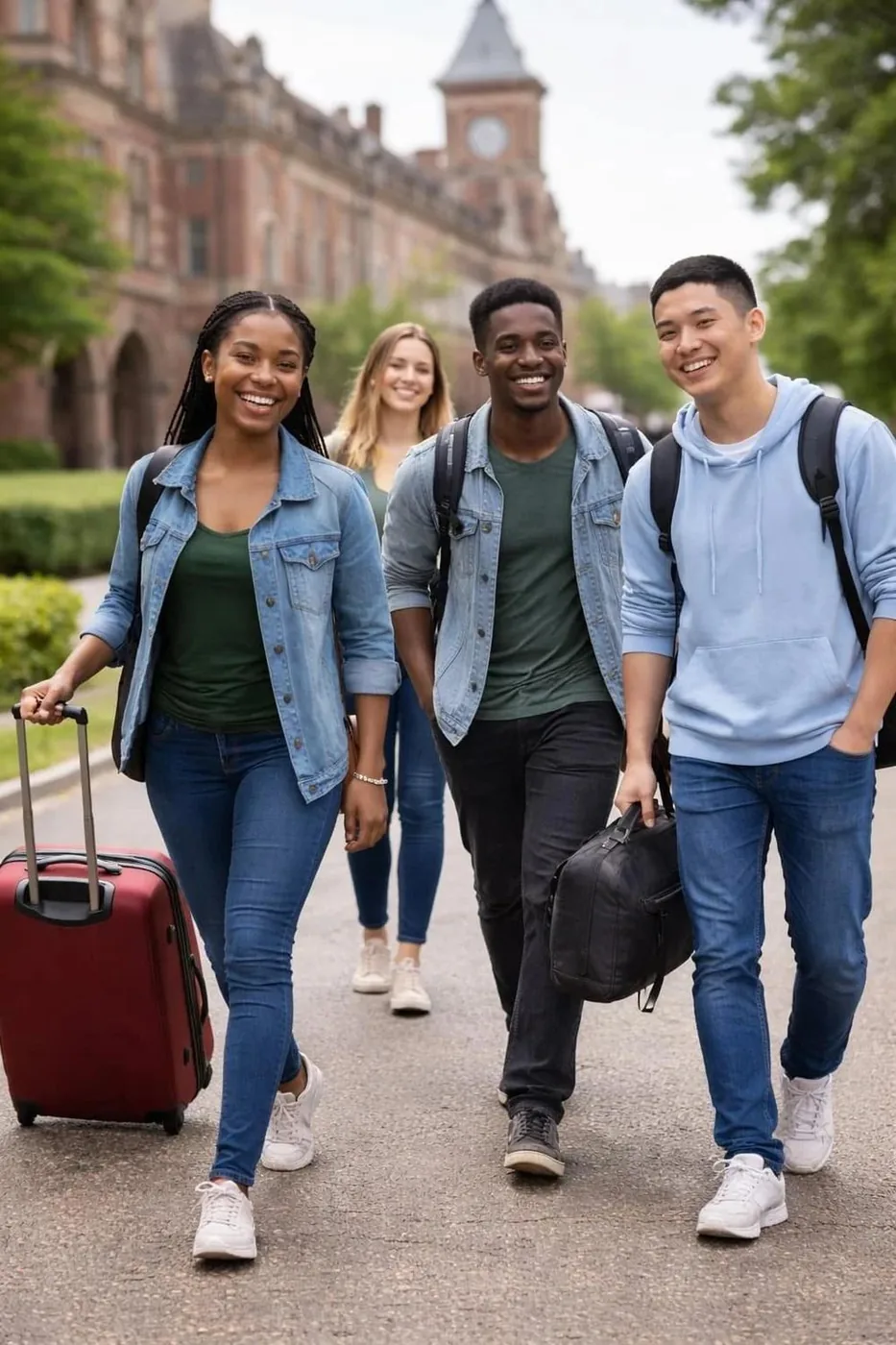
Arrival and adjustment in the U.S.

Once the opportunity is confirmed and you arrive on campus, several changes happen at the same time: a new country, language, team, training environment and academic routine. Structured support helps make the first semester more manageable and decisions more informed.

  • Campus arrival and housing. Move-in, meal plan, student ID, banking, phone service and the practical details of getting settled.
  • Preseason and team integration. For fall sports, preseason often begins before classes. It is your first opportunity to establish your role within the team.
  • Academic adjustment. Your routine may include syllabi, midterms, tutoring, study hall and other support resources depending on the institution, program and academic performance.
  • English in daily life. The first weeks require adjustment even for students who have studied English for years. Daily exposure quickly improves comprehension, vocabulary and confidence.

Ongoing agency support. Support continues throughout the process to organize next steps, provide context for decisions and help resolve issues efficiently.

06
WHO THIS IS FOR

Is this for you?

There are opportunities at different competitive levels. The key is understanding where your profile fits today.

STRONG PATH

You play at a strong academy, state or national youth level

U-17, U-20, top youth academies or strong state-level competition. You may have the profile to pursue the best opportunities at the highest level, with a real chance at a high scholarship — and in some cases even a full ride. With a highlight video and full games from that level, you attract coaches, especially if you come from a strong competition in your country.

POSSIBLE PATH

You play competitive club or amateur soccer

Even if you do not come from a big club or a highly structured environment, there is still a path that can lead you to the best possible opportunity. The strategy changes: the focus becomes technical development and building a quality video. You will probably not get a 100% scholarship, but opportunities are still possible.

STRATEGIC PATH

You are rebuilding your level or returning to competitive soccer

Different from the other paths, you will usually need to look for entry doors with some budget available. In many cases, NJCAA is a strong route because two-year colleges allow you to build your stats, improve your video, and then transfer to a higher level.

"There's a path for every level, the mistake is not knowing which one is yours."

BE HONEST WITH YOURSELF

Who this is NOT for

Studying and playing in the U.S. isn't for everyone. If you identify with any of the points below, reconsider before starting:

You do not want to take academics seriously

Being a student-athlete requires attendance, grades, assignments and academic organization. If academics are not part of your plan, this path is probably not the right fit.

You do not want a competitive routine

Training, travel, preseason, competition for positions and performance expectations are part of the routine. This is not a casual sports experience.

You are looking mainly for tourism or exchange

If your main goal is simply to travel or have a cultural exchange, other programs are better suited. Athletic aid requires academic and competitive commitment.

You are not ready to leave your comfort zone

A different language, culture and distance from family are part of the experience. Adjustment requires independence, discipline and a willingness to handle discomfort.

WHEN TO START

What is the best time to start?

Age does not define your chances by itself. It changes what should already be prepared before departure. The earlier you organize video, English, grades, documents and financial planning, the more options you tend to have.

14 to 16 years
PREPARATION

From 14 to 16, the focus is building a foundation: organize video, improve English, protect high-school grades and begin understanding colleges, costs and requirements. There is time to fix weak points before the main recruiting window.

17 to 19 years
MOST COMMON PATH

From 17 to 19, many athletes are finishing high school and entering a U.S. undergraduate program directly as freshmen. The focus shifts to recruiting, admission, English testing, documents, offers and choosing the right institution.

20+ years
FRESHMAN OR TRANSFER

At 20 or older, it can still be possible to start an undergraduate degree as a freshman or transfer from another institution. Academic history, prior enrollment and previous sports participation require a more careful review to define the right route.

Can I work in the U.S.?

Yes, but with clear rules. The F-1 student visa allows legal work within specific limits.

DURING CLASSES

Up to 20 hours per week

Legal limit during the academic period (regular semesters). Only on campus: cafeteria, library, gym, reception, sports events, dining hall.

  • Average wage: US$8-15/hour (varies by state)
  • Schedules compatible with training and classes
  • Always on campus
SUMMER BREAK

Up to 40 hours per week

During annual vacation and other periods when school is not in session, F-1 students may work on campus full time. Many campus jobs use 40 hours per week as a typical full-time schedule, but the actual hours depend on the employer, the school calendar and the applicable rules. CPT and OPT are separate forms of work authorization with their own requirements.

  • Total earnings depend on available hours, pay rate, taxes and expenses
  • Work hours depend on the position offered by the institution and the applicable rules
  • Paid internships (with CPT authorization)

"This is one of the biggest tools to make this dream possible. If you secure a scholarship that lets you pay $8,000/year with everything included and you get a job paying $12/hour, you can technically support yourself working on campus LEGALLY."

Professional history and college eligibility

Contracts, compensation, representation and professional competition before or during college can affect athletic eligibility. Rules vary by association and division, so the full history should be reviewed before signing or competing.

Already signed a professional contract?

A contract to compete professionally can affect athletics eligibility certification. The effect depends on the terms, compensation, timing and division; do not assume an automatic loss of a fixed number of years. Confirm the case with the NCAA Eligibility Center and the school’s compliance office.

Received salary or prize money from sports?

Compensation for athletic participation and prize money may require review during eligibility certification. NIL activities follow separate rules. Document payments, benefits and expenses and confirm the applicable treatment before assuming an amount is permitted or prohibited.

Have a formal agent or manager?

Agent rules have changed. Beginning in 2026/27, NCAA Division I prospects may sign with professional sports agents before college enrollment without automatically losing eligibility; the scope of representation and other rules still matter. Review the agreement and confirm with compliance.

More flexible paths

NCAA, NAIA and NJCAA have their own rules for professional history, compensation and representation. A situation allowed in one system may be treated differently in another. Review the complete history before choosing a pathway.

"Every case needs to be reviewed. Contracts, compensation, agents, age, enrollment and competition history can completely change the eligibility outcome."

Eligibility rules change. Before signing a professional contract, accepting compensation or entering into representation, confirm the current rule with the governing association and, when necessary, the institution’s compliance office.
WHAT FEW WILL TELL YOU

Rules nobody tells you

Before moving to the U.S., understand that college athletics comes with real academic, athletic and team responsibilities. It is not an extended vacation.

Training is part of the routine

Training, meetings and team activities follow set schedules and require attendance. Absences and lateness can affect your role on the team.

Travel is part of the season

Away games may involve buses, flights and hotels. Athletes must balance travel with classes, exams and academic deadlines.

Academic performance matters

Eligibility depends on the academic standards that apply to the division, conference and institution. GPA, credits and degree progress need to stay on track.

A starting role is not guaranteed

A scholarship and roster spot do not guarantee a starting position. Training, performance and internal competition continue throughout the season.

The routine requires organization

Strength work, technical training, classes, study hall, recovery and academic commitments share the same week. Organization is part of performance.

Conduct matters too

Behavior on and off campus, including social media and team relationships, can have academic and athletic consequences.

"You're not going on vacation. You're going to compete with athletes from all over the world."

The challenges of life in the U.S.

The experience can be transformative, but it is not effortless. Athletes who arrive with realistic expectations usually handle the transition better than those who expect everything to feel easy immediately.

Homesickness

The first months can be difficult: distance from family, time-zone differences and missing important moments back home. That adjustment is normal.

Different culture

Communication styles, routines, humor and expectations may feel different. Nothing has to be “wrong” for adjustment to take time.

Different food

You will probably miss food from home. You will also build new routines and discover new favorites.

Performance pressure

You are balancing expectations from coaches, teammates and professors. Competition and academic deadlines do not stop for each other.

Internal competition

Teammates can also be competing for the same minutes and positions. Learning to handle friendship and competition at the same time is part of college sports.

Real growth

Living abroad can accelerate independence, language development, professional networking and maturity. You learn to solve problems on your own and operate in a new environment.

"It's not easy, but it's transformative."

THE SEASON CYCLE

How the college soccer year works

In college soccer, the year typically alternates between the main season, spring development and the summer/off-season period. Understanding each phase helps set realistic expectations on and off campus.

Soccer-specific content
AUGUST-DECEMBER

Fall Season

The primary college soccer season: official matches, travel and postseason play. Coaches are focused on results, while players balance competition with classes and recovery.

  • 16-20 official games
  • Playoffs and nationals
  • Preseason starts in August
JANUARY-APRIL

Spring Season

A development period with training, scrimmages and technical or tactical work. Coaches evaluate returning players, roster needs and roles for the next fall season.

  • Development focus
  • Non-official scrimmages
  • Individual evaluation
MAY-JULY

Off-Season

The college season is over. Players may train independently, compete with summer clubs such as USL League Two, NPSL or UPSL, work on campus when eligible, or return home.

  • Individual preparation
  • Full-time on-campus work during eligible breaks
  • Possible trip home
SOCCER · PROFESSIONAL

Professional leagues

A simple view of the structure of the main men’s professional leagues in the United States.

MLSMLS
USLPREMIER*
2028
USL ChampionshipUSL Championship
USL League OneUSL League One
MLS NEXT ProMLS NEXT Pro
* USL has announced USL Premier as a new men’s Division I league, scheduled to launch in 2028.
SOCCER · SUMMER

Summer leagues

During college breaks, many players look for minutes, match rhythm and exposure with summer clubs. USL League Two, NPSL and UPSL are part of this ecosystem, which can be especially important for players seeking a transfer and, depending on the club, may include housing and meals.

USL League Two

USL League Two

USL League Two describes itself as a pre-professional platform. Its 2026 regular season runs mainly from early May to mid-July, fitting the calendar of many college players. It is the highest level of the summer-league ecosystem, where NCAA Division I players are commonly found.

NPSL

NPSL

NPSL offers a club-soccer environment with a strong summer calendar and is also used by college players to compete outside the college season. The level can also be very high depending on the club.

UPSL

UPSL

UPSL brings together clubs across many regions of the United States and operates seasons throughout the year. Many college players use league teams to stay match-fit and pursue new opportunities.

Find clubs in Search

The club area is already integrated into the directory. Use Search to filter clubs directly by location.

Search clubs →

YOUR FIRST COLLEGE DOESN’T HAVE TO BE WHERE YOU GRADUATE

Transferring is common in U.S. college sports and can be part of an athletic, academic or financial strategy. That applies whether you begin at a Junior College or a four-year institution. Some common paths include:

Move up competitively

Start at a Junior College, perform well academically and athletically, then transfer to a four-year program that better matches your goals and level.

Improve your scholarship package

Strong college performance can create new recruiting opportunities. Proven U.S. college experience may make your profile easier for other programs to evaluate.

Find a better fit

A coaching change, academic needs, location, playing opportunity or team environment can all be reasons to consider a transfer. The key is evaluating the next move carefully.

“Your first school does not have to be your final one.”

AVOID THESE MISTAKES

The most common mistakes of those who try alone

These are the slips that make athletes miss their window, lose scholarships, or quit the process. Knowing each one is half the way to not making them.

Not having a highlight video

Without film, most coaches cannot evaluate you. Waiting months to create a recruiting video can cost valuable time in your recruiting window.

Waiting to be "perfect" before starting

Do not wait for perfect English or a perfect video before beginning. The strongest processes develop film, academics, testing and outreach in parallel.

Thinking you need to speak fluent English

You do not need fluent English to begin recruiting. English testing and language development can be built into your timeline.

Thinking you need to be rich

Scholarship and aid amounts vary by institution, division, sport and profile. NCAA Division III does not offer athletic scholarships; in other systems, athletic aid may be partial and, when allowed, combined with other forms of aid. What matters is the final net cost.

Thinking only NCAA D1 exists

NCAA Division I often has high visibility and resources, but competitive level and fit vary by sport and program. Focusing exclusively on D1 removes a large portion of opportunities available in NCAA D2, D3, NAIA and NJCAA.

Sending the same generic email to every coach

Generic messages are easy to ignore. Good outreach quickly explains why your profile is relevant to that specific program and gives the coach everything needed for an initial evaluation.

Accepting the first offer

Do not commit to the first opportunity without comparing net cost, athletic fit, academics, location and other available options.

Leaving the visa to the last minute

F-1 visa timing varies by consular appointment availability, location, season and any administrative processing. Do not leave it to the last minute: once you receive the I-20 and complete the required steps, move forward as early as possible.

DIRECT QUESTION

Can I come without English?

Yes, to start the process. In most cases, no, to board and enroll right away.

You do not need to be fluent to get started. Video, profile organization, school mapping, coach outreach and planning can all move forward while your English improves in parallel.

To be admitted and make the move, however, most institutions require proof of English proficiency. Because each university sets its own requirement, there is no universal minimum score.

How long preparation takes depends on your current level, the score required and your consistency. That matters because, in day-to-day university and athletic life, you will need to understand, communicate and respond without relying on translation.

BREAKING 8 MYTHS

What you have heard versus what is real

Many poor decisions begin with incomplete information or rules treated as universal. The process changes by institution, division, academic history and athletic background. These are some points that need context.

"I need to be fluent in English to start."

Most athletes start with intermediate or basic English. TOEFL or Duolingo is prepared in parallel, and fluency comes from living there. What matters is starting.

"You need to be from a rich family to even try."

In some cases, a combination of athletic, academic and other aid can reduce the final cost to zero or close to it, but that does not happen in nearly every program and is never guaranteed. NCAA Division III, for example, does not offer athletic scholarships. The goal is to find the best athletic, academic and financial fit for each profile.

"It only works for football and basketball."

College programs exist for soccer, volleyball, tennis, track, swimming, golf, baseball, softball, fencing and more. Soccer in particular has many scholarships for international athletes.

"I need a personal contact over there."

Coaches rely on trustworthy networks to recruit international athletes. That is exactly what a serious agency provides, 6 years of active relationships with NCAA D1, D2, NAIA and NJCAA programs.

"I need a high SAT or it is over."

Some institutions or programs require or consider SAT/ACT, while others are test-optional. Verify the policy directly with the university rather than assuming it from the athletic association.

"It only works if I am 18 or younger."

There is no universal age range for every athlete. Freshman, transfer and graduate are academic statuses, and eligibility depends on the association, enrollment and individual history.

"I have to drop everything here at once."

You keep playing and studying here while the process runs in parallel. Typical timeline: 4 to 10 months after starting. Time to plan calmly.

"After graduation I just go back home and that is it."

After graduation, eligible F-1 students may apply for up to 12 months of post-completion OPT (Optional Practical Training). Graduates of certain STEM programs may apply for an additional 24-month extension if they meet the requirements. The work must be related to the field of study.

What your scholarship package can actually cover

Athletic scholarships and other aid can reduce different components of college cost. Understanding exactly what is included, tuition, housing, meal plan, fees and other items, is essential when comparing offers by final cost rather than scholarship percentage.

TUITION

The biggest cost, between US$8,000 and US$60,000 per year. Athletic scholarship can cover partially or fully. NCAA D1 and NAIA athletes can have 100% tuition covered.

ROOM

On-campus dorm room, usually shared with 1 roommate. Includes bed, desk, internet, laundry. Costs US$5,000 to US$12,000/year. May be included in a "full ride".

BOARD (MEALS)

Meal plan in the university dining hall. 3 meals a day, 7 days a week. Athletes usually get a reinforced meal plan due to caloric needs. Costs US$3,000 to US$6,000/year.

BOOKS & MATERIALS

Textbooks cost US$800 to US$1,500/year in the U.S. In many athletic packages, books are included via a stipend or athletic library loan.

TEAM TRAVEL

Official team travel is normally organized and funded by the program according to institutional policy. Transportation, lodging, meals and other benefits vary by institution and sport.

ATHLETIC GEAR

Uniforms, training gear and equipment may be provided by the program, but what is included varies by institution, sport and supplier agreement.

HEALTH & PHYSIO

Sports medicine, physiotherapy, nutritionist and strength coach are provided by the athletic department. Game and practice injuries are covered.

ACADEMIC TUTORING

Many programs offer, and some require — study hall, tutoring and academic support based on academic performance, year and institutional policy. Available resources vary by school.

Important: athletic aid and employment income are different concepts. Eligible F-1 students may work in authorized on-campus employment up to 20 hours per week while school is in session and full time during annual vacation and other periods when school is not in session, subject to applicable requirements.

LIFE ON CAMPUS

Where you live, where you eat, how you live.

Many campuses bring housing, dining, classes, athletic facilities, libraries and other services into the same general area. The available structure varies significantly from one institution to another.

HOUSING · YEAR 1 & 2

On-campus dorm

Room shared with 1 or 2 roommates, hall bathroom, common area, free or paid laundry, high-speed internet, 24h security.

  • Inside campus, close to everything
  • Bed, desk, closet, WiFi
  • 1 or 2 same-gender roommates
  • Student ID access
  • Some institutions require freshmen or students in certain years or age groups to live on campus
  • Usually slightly more expensive than off-campus
HOUSING · YEAR 3 & 4

Off-campus apartment rental

Older athletes often rent apartments near campus, usually with teammates. More privacy, own kitchen, parking.

  • Minutes from campus
  • Own kitchen (off meal plan)
  • Parking, more space
  • Avg US$400 to US$700/month per person
FOOD

University dining hall

Meal plans vary by institution and may include different numbers of meals, dining credits and options. Always confirm which plan is included in your offer and what it covers.

  • Meals according to the selected plan
  • Dining options and stations vary by campus
  • Credits, snacks and beverages depend on the meal plan
CAMPUS STRUCTURE

What is inside campus

Many campuses provide a large share of academic, athletic and student services in one location. Campus size and available services vary by institution.

  • Practice fields and home stadium
  • Gym, pool, weight room
  • Library, study rooms, computer lab
  • Medical, physio, dental clinic
  • Shops, café, bank, post office, laundry
IMPORTANT

Housing rules vary. Some institutions require freshmen or students in certain years or age groups to live on campus; others have no residence halls or allow off-campus housing. Confirm whether housing is included in your offer, which plan applies and which costs remain your responsibility.

What is not included in the scholarship

Athletic aid and other financial aid may reduce different parts of college cost; exactly what is covered depends on your offer. The process also has separate costs for documents, tests, visa steps and travel.

ITEM
COST
WHEN
Passport
Document issued by the country of citizenship
BRL 257
varies by country
Before starting the process
TOEFL test
The fee varies by the test location selected on the official ETS website
≈ US$ 250
varies by location
During preparation
Duolingo English Test
Online English proficiency test
US$ 70
During preparation
SAT (if required)
US$68 in the U.S.; international students pay an additional US$43
US$ 111
Before application
Official/certified translation
School records and certificate, when required
≈ BRL 150 to 400
varies by country
Before application
Application fee
University application fee, when applicable
Varies
by university
Per university
F-1 student visa
US$185 (MRV) + US$350 (I-901 SEVIS)
US$ 535
Before interview
Airfare
Origin → university city
≈ US$ 800 to US$ 1,200
varies by destination
Before travel

Summary: total budget for the process (start to living on campus, with 100% scholarship) is around US$3,500 to US$5,500. With partial scholarship, add the uncovered university portion.

Reference fees: F-1 visa (MRV) US$185 + I-901 SEVIS F/M US$350 = US$535. Official fees and payment procedures may change; confirm before payment.
AFTER COLLEGE

What happens after graduation?

After graduation, there are different possibilities to work or build a career in the United States and remain lawfully in the country. Each option has its own criteria and should be evaluated individually.

Possibility after graduation

OPT

Temporary work authorization directly related to the field of study. Eligible students may have 12 to 36 months depending on their major and STEM OPT eligibility.

Work visa and career-based pathways

H-1B

H-1B is a temporary classification for specialty occupations, generally tied to a position requiring specialized knowledge and compatible education. An employer typically files the petition.

EB-1A

EB-1A is a permanent-residence category for individuals with extraordinary ability and a record of distinction. A job offer is not required, and self-petitioning may be possible.

EB-2 NIW

EB-2 NIW is a permanent-residence category that can waive the job-offer and labor-certification requirements when the National Interest Waiver criteria are met. A job offer is not required when the NIW requirements are satisfied, and self-petitioning may be possible.

How long it really takes.

A complete recruiting process often takes 8 to 18 months, depending on your entry term, profile, documents and testing. Starting early gives you more time to compare options and avoid rushed decisions.

MONTHS 1 TO 2

Profile Review & Film

  • → Athletic-level review
  • → Game recording
  • → Highlight-video editing
  • → Start English prep
MONTHS 3 TO 5

Documents & Testing

  • → Passport
  • → Transcript translation
  • → TOEFL or Duolingo
  • → NCAA Eligibility Center
MONTHS 5 TO 10

Coach Outreach & Offer Review

  • → School targeting
  • → Targeted outreach to coaches
  • → Scholarship and offer review
  • → Application and admission
MONTHS 10 TO 12

Visa & Campus Arrival

  • → Receive I-20
  • → SEVIS payment
  • → F-1 visa interview
  • → Travel + campus arrival

Best planning window: starting roughly 12 to 18 months before your target semester gives you more time for film, English testing, documents and recruiting. College-soccer recruiting activity varies by division, program and entry year.

The strongest recruiting process starts before the rush

The earlier you start, the more time you have to target the right schools, compare opportunities and avoid rushed decisions near deadlines.

12 to 18 months

Ideal window: building video, academic profile, English, university list and initial contacts.

8 to 12 months

Still a strong window: coach outreach, film distribution, calls, offer review and financial planning.

4 to 8 months

Possible, but demands speed: documentation, English proof, acceptance, I-20, SEVIS and F-1 visa.

Last minute

Opportunities may still exist, but the list gets smaller. At that point, the priority is finding an available fit rather than choosing from every possible option.

Documents you will need

Complete list of documents required in the process. You can (and should) start gathering everything now, the earlier, the less rush later.

01
Valid passport

Document issued by the country of citizenship, with sufficient validity for travel and U.S. entry requirements.

02
High school transcript

Academic records may require an official or certified English translation depending on the institution or credential evaluator.

03
High school completion certificate

Final proof of high school completion is normally required to complete enrollment; application-stage documents and provisional rules vary by institution.

04
TOEFL or Duolingo result

English proficiency test. Valid for 2 years. The minimum requirement varies by institution and program.

05
SAT or ACT (if required)

Optional for many universities post-pandemic. Required in some academically strong D1.

06
Vaccination record (Certified translation)

The institution may require vaccination records or other health requirements. Confirm the school policy and required documents before enrollment.

07
Financial documentation

Schools typically require proof of available funds before issuing the I-20. Financial documents may also be requested during the visa process; the required amount and format vary by school and individual case.

08
Highlight video

About 3 to 5 minutes, HD quality, with clear player identification. Use an unlisted YouTube link or Hudl.

09
University I-20

Issued by the institution after admission and completion of the applicable financial and institutional requirements. It is an essential document for applying for an F-1 visa.

Eligible sports and athlete profiles

There is no single "type" of athlete who goes to the U.S. What exists is the right fit between level, age, sport, academic profile and time window.

MAIN SPORTS

Soccer
Basketball
Volleyball
Tennis
Track & Field
Swimming
Golf
Baseball
Softball
Fencing
Field Hockey
Rugby

Other sports may also be possible. Message me if yours is not listed.

ATHLETE PROFILES

FRESHMAN

FRESHMAN

(starting an undergraduate degree)

For students finishing high school or beginning college in the U.S. Timing, academic requirements and eligibility should be reviewed from the individual record.

TRANSFER

TRANSFER

(already enrolled in college)

For students already enrolled at a college who want to change schools or competitive level. Credits, eligibility and transfer timing need case-by-case review.

GRADUATE

GRADUATE STUDENT

(graduate-level study)

For students who have completed an undergraduate degree and want graduate study while they still have applicable eligibility. Eligibility depends on the association and enrollment history.

Why Victor Andrews?

There are several agencies and intermediaries in the market. Here is what sets my work apart, based on facts, not promises.

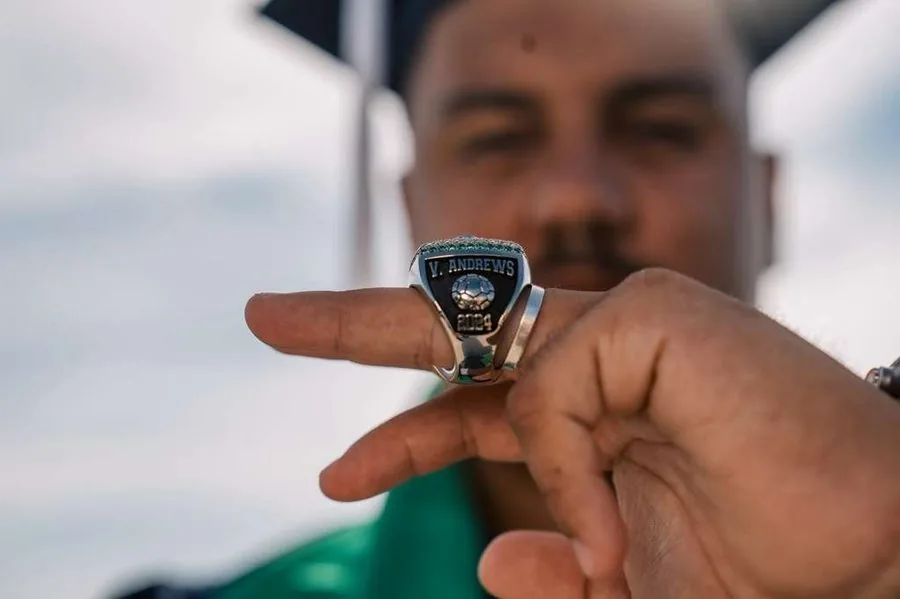
V. Andrews 2024 ring

Documented track record

More than 800 athletes have been advised since 2019, from more than 60 countries. Names, destinations and institutions can be checked in the public list on the site.

Coach network

Relationships built over years with programs and coaches at different levels help present each profile in the right context, without turning networking into a promise of an offer.

Individual plan

Level, age, sport, budget and entry window vary from athlete to athlete. The strategy is built around the individual case rather than a generic template.

Financial transparency

The payment structure is presented before the work begins and follows the contract. You know in advance what is due, when and under which conditions.

Post-arrival support

Support continues through departure preparation and the initial adjustment period. The relationship does not end when the athlete signs with a university.

Personal accountability

The agency carries my name. Each recommendation, negotiation and decision is handled with direct responsibility for the process.

Real client stories from across the U.S.

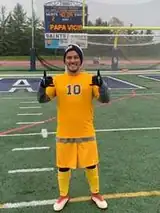
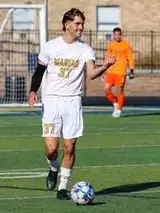
Some of the athletes who made the move with the agency. Each card shows where the athlete came from and where they are playing.

Admar
Admar Ottoniel
NAIA
Lourdes University
Andrei Filho
Andrei Filho
NCAA D2
Auburn University at Montgomery
Breno Guimaraes
Breno Guimaraes
NJCAA D3
Mohawk Valley Community College
Emiliano Santos
Emiliano Santos
NCAA D3
University of Wisconsin-Superior
Eduarda Queiroz
Brasil
Eduarda Queiroz
NAIA
Xavier University Louisiana
Bernardo Pacheco
Portugal
Bernardo Pacheco
NCAA D1
Winthrop University
Caio Carrara
Brasil
Caio Carrara
NCAA D1
New Jersey Institute of Technology
Matheus Alves
Matheus Alves
NAIA
Louisiana Christian University
Naomi Woerner
Naomi Woerner
NAIA
New College of Florida
Fabio Barbosa
Portugal
Fabio Barbosa
NAIA
Williams Baptist University
Joao Gouveia
Joao Gouveia
NCAA D2
Holy Family University
Lucas Barcelos
Brasil
Lucas Barcelos
NCAA D2
Post University
See more success stories →

Real clients. Real college destinations.

Explore documented client placements and active recruiting cases from Victor Andrews Agency. Search by name, school, country, state, position or athletic association.

SCROLL TO SEE ALL →
ATHLETE
COUNTRY
COLLEGE / SCHOOL
LEAGUE
LINK
RESULTS · REAL CLIENTS

The work in geographic perspective

Now see the same work on the map: where the athletes came from and where they went. Click any point to see the clients from that place.
Loading destinations…
Loading origins…
Every person shown here was advised by Victor Andrews.

What is possible — and what NO SERIOUS PROFESSIONAL should ever guarantee.

What I can do for you

  • Evaluate your profile honestly.
  • Build your athletic, academic and financial strategy.
  • Present your profile to the right coaches in a professional, targeted way.
  • Compare offers, costs, leagues and universities.
  • Guide you through documentation, the visa process and preparation for campus arrival.

What no one can guarantee

  • A 100% scholarship for every athlete.
  • Admission to a specific university without evaluating the profile.
  • An offer without the right film, academics, documents or timing.
  • Visa approval, because the final decision always belongs to the consular authority.
  • The same outcome for athletes with different circumstances.
PRESS · INTERVIEWS · FEATURES

In the media

Interviews and features documenting Victor Andrews' journey, the agency's work, and the growth of a story that began as a student-athlete in the United States.

TV CONNECT USA · INTERVIEW

Victor Andrews discusses his journey and the agency's work

A conversation about the student-athlete experience, international athletic recruiting, and building Victor Andrews Agency in the United States.

Also view it on TV Connect ↗

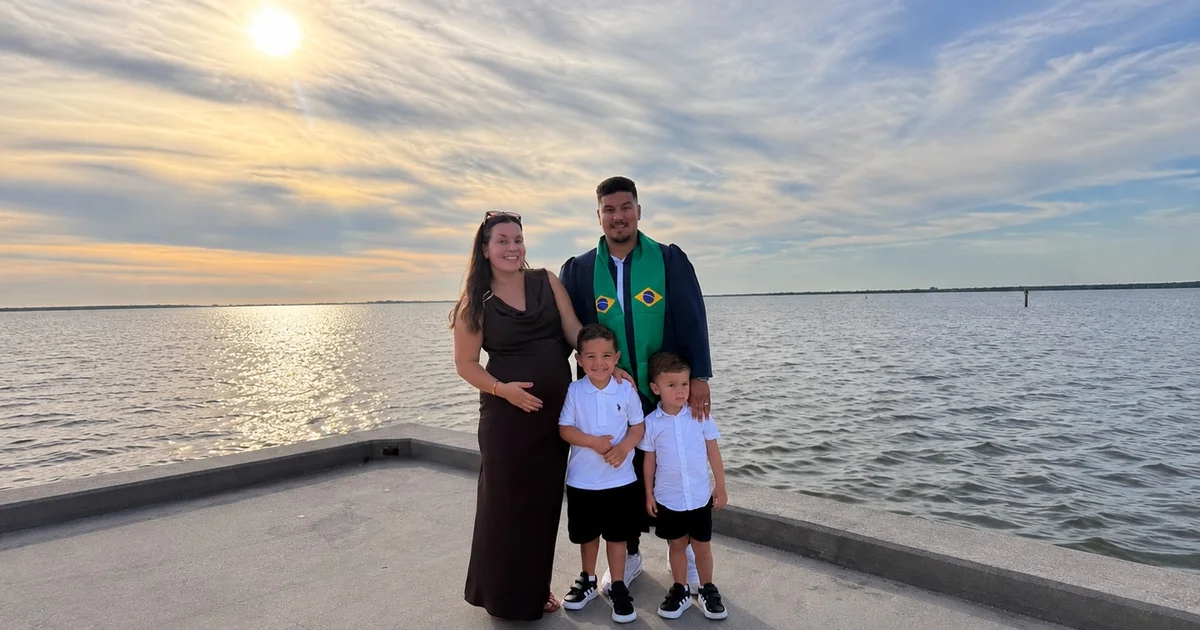
Victor Andrews with his family in a Vou Pra América featureREAD FEATURE
VOU PRA AMÉRICA · FEATURE

From Jacarepaguá to the U.S.: how Victor Andrews turned soccer into purpose

A feature tracing the journey from Rio de Janeiro to the United States and how the student-athlete experience grew into work focused on opening paths for other young people.

TV BRASIL · INTERVIEW

From Brazil to international athletic recruiting

The journey from choosing to study and compete in the U.S. to beginning to help athletes pursue the same path.

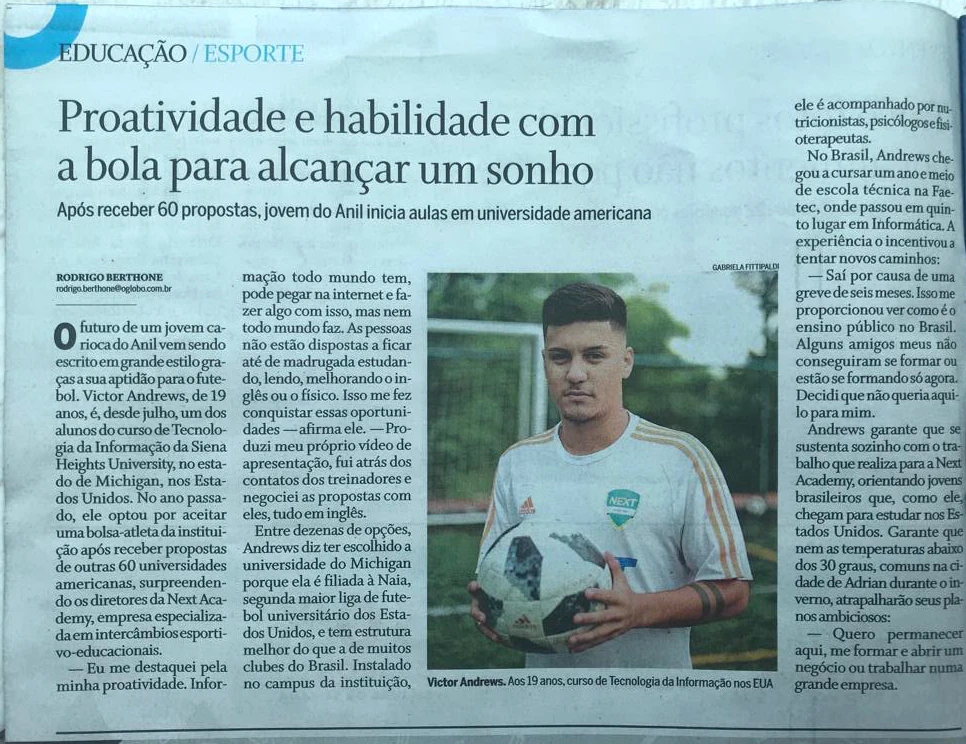
Newspaper feature about Victor Andrews' early journey in the United StatesREAD FEATURE
O GLOBO · FEATURE

Proactivity and skill with the ball to reach a dream

A feature from the beginning of the U.S. journey, when the project was still growing out of Victor's own student-athlete experience.

Everything you wanted to ask, and haven’t yet

The most common questions from people just starting to understand college sports recruiting.

How long does the process take from start to campus arrival?
A typical process can take 4 to 10 months or longer, depending on your entry term, recruiting market, academics, testing, documentation and visa timeline. Starting earlier gives you more options and less pressure.
What is the ideal age to start?
Starting early expands your options. In NCAA Divisions I and II, the age-based rules adopted in 2026 create a continuous five-year eligibility period tied to initial full-time college enrollment and the academic-year trigger after the 19th birthday, with transition rules in 2026/27. Prospects who first enroll full time in fall 2027 or later use only the new model. NCAA D3, NAIA and NJCAA have their own rules, so each record must be reviewed individually.
How much does it really cost without scholarship?
Total college cost varies widely by institution and can exceed US$70,000 per year. Your net cost depends on the individual aid package, what the offer includes and expenses that remain your responsibility. Always compare the official Cost of Attendance with the final offer.
What if I do not have English yet?
Yes, you can start the process. In most cases, you cannot enroll and travel yet. You do not need to be fluent to get started. Video, profile organization, school mapping, coach outreach and planning can all move forward while your English improves in parallel. To be admitted and make the move, however, most institutions require proof of English proficiency. Because each university sets its own requirement, there is no universal minimum score. How long preparation takes depends on your current level, the score required and your consistency. That matters because, in day-to-day university and athletic life, you will need to understand, communicate and respond without relying on translation.
Can college sports lead to professional opportunities?
In some sports, college athletics can be an important pathway to professional opportunities. The transition depends on your sport, level, performance, timing and the rules of the professional league or club.
What is daily life as a student-athlete?
Daily life varies by sport and institution, but it usually combines training, classes, recovery and academic responsibilities. Many programs also provide study hall, tutoring, athletic training and other support resources.
What if I arrive and the school is not a good fit?
Adjustment takes time, which is why I continue supporting clients during the first semester. If the athletic, academic or personal fit is not working, a transfer can be evaluated under the applicable rules and timeline.
Can I return home after graduation?
Of course. You can return right after graduation or, if eligible, apply for up to 12 months of post-completion OPT. Some STEM graduates may apply for an additional 24-month extension.
How do I start working with you?
Message me on WhatsApp or Instagram. We will talk through your athletic level, academics, budget, goals and target semester. The first conversation is free and there is no obligation.
STILL HAVE QUESTIONS?
The path exists.
The window is now.

Talent, academics, budget and timing shape the outcome. What you can control is your preparation: start early, organize your profile and make strategic decisions. Message me to talk. No cost and no obligation.

Messages are answered personally, normally within one business day.